top of page

T A C K
Developing a passion for user-centered design and creating a new reality for a user's core problem.
T A C K
Developing a passion for user-centered design and creating a new reality for a user's core problem.
olivia chin
product designer | play thinker


LAUNCHING QUESTION:
How can we help children have a better relationship with failure?
THE BEGINNINGS
To start my research, I began by framing the problem and breaking down the different avenues I could explore. I began looking at failure avoidance, more specifically the minute hesitations and frustrations in the classroom.
Accountability. As soon as a little one enters the classroom, they are taught that there needs to be a certain quality in outcome and result. The pressure to succeed is placed upon us at such a young age, instilling the idea that there is only one method and solution to every problem.

RESEARCH
I began my research by gaining knowledge about existing learning methodologies, parenting styles, and cultural expectations. In addition, I sent out surveys to have a better scope of how people view and define failure in their lives.
For my discovery interviews, I talked to mainly parents, educators, and experts to have them reflect upon their own experiences with failure as well as their observations of their children or students when encountering moments of failure.


“I wish I could say ‘oh I would’ve tried harder,’ but at the time, that was as hard as I could try.”
“I don’t really like music because my music teacher goes fast and then quizzes us...[the quizzes are just hard.”
“I saw that she was going to get there eventually, it just took a little longer than I think she wanted.”


A COMPLEX SYSTEM
Synthesizing the information I gathered from my discovery interviews, the insights helped me develop a system diagram to define the problem space better as well as display opportunity spaces for the interception of my experience.
IDEATION
Wanting to combine play and work, I ideated around toys and games that would encourage strategy building and changes in mindset. After ideating and receiving feedback from children themself and my experts, I realized the true opportunity is in the emotional regulation part of the failure experience.


My opportunity is to empower children in becoming life-long learners through the creation of a learning experience driven by curiosity, exploration, and resilience.
How might we design an experience that builds a child’s sense of self and worth through learning processes?

DIVERGENT THINKING
CONSCIOUS BUILDING
NARRATIVE BUILDING
PREDICTIVE THINKING
Generating ideas by exploring many solutions
Gives the child the autonomy to create their own experiences
Practicing attentiveness and patience through
meticulous building
Regulating their emotions and increasing their awareness
TACTILE
CHARACTERS
ATTENTIVENESS
REFLECTION
AN ISSUE OF PERCEPTION
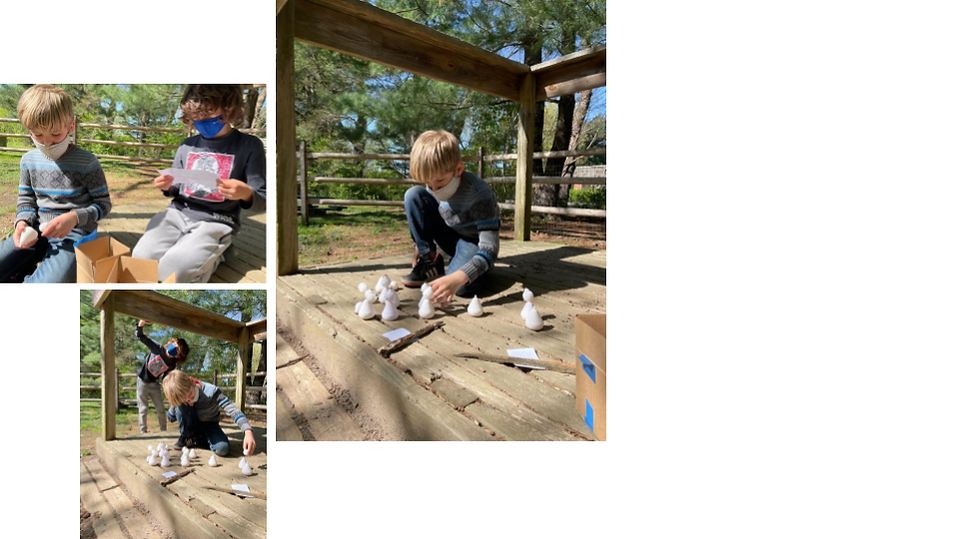
Wanting to combine play and work, I ideated around toys and games that would encourage strategy building and changes in mindset. After ideating and receiving feedback from children themself and my experts, I realized the true opportunity is in the emotional regulation part of the failure experience.


.jpg)


AN ISSUE OF PERCEPTION
Wanting to combine play and work, I ideated around toys and games that would encourage strategy building and changes in mindset. After ideating and receiving feedback from children themself and my experts, I realized the true opportunity is in the emotional regulation part of the failure experience.


Wanna read even more? Click the icon above for a process book that goes even more in-depth!
bottom of page